Learn the Art of House Hacking with Condos, Townhouses, Cottages, and More!
TL;DR
- House hacking means living in your home while renting part of it out to help pay the mortgage.
- Options include multiplexes, legal secondary suites, long-term roommates and, where allowed, short-term rentals.
- Ontario allows up to three units on most residential lots, and Toronto allows up to four.
- Check zoning, Toronto’s short-term rental rules, your condo’s rules and Ontario tenancy law first.
Ever wished your home could be more than just a place to live? Imagine a scenario where your dream home also helps you pay off your mortgage. This is where the concept of house hacking comes in – a brilliant way to achieve the best of both worlds, all while being savvy with your space.
The Charm of Multifamily Homes:
House hacking often begins with owning a multi-unit property, such as a duplex, triplex, or fourplex. The magic lies in residing in one of the units while renting out the others. The rental income from your tenants helps cover your mortgage payments, while you play the role of landlord. Ontario now allows up to three units on most serviced residential lots, and Toronto permits multiplexes of up to four units city-wide, so adding a legal basement or garden suite is another route – with the proper permits.
Exploring Roommate Possibilities:
If the idea of a multifamily property isn’t your preference, fret not. House hacking can be tailored to single-family homes too. Consider welcoming roommates into your space, sharing costs and creating a lively communal atmosphere.
The Short-Term Adventure:
For those with a taste for something different, you might consider listing a spare room on a short-term rental platform. Before you do, check the rules: in Toronto, short-term rentals are only allowed in your principal residence and you must register with the city, and many condo corporations restrict or prohibit short-term rentals in their declarations or rules.
Adapting to Various Home Types:
House hacking isn’t limited to sprawling estates. It can work for condos, townhouses, and even cottages – for example, by renting out a spare room to a long-term roommate or tenant. Just confirm what your municipality, your condo’s declaration and rules, your lender and your insurer allow before you rent out any part of your home.
Guidelines for House Hacking Success:
Navigate the Legal Landscape: Prior to embarking on your house hacking journey, familiarize yourself with local zoning, building and fire codes, short-term rental rules, and Ontario’s Residential Tenancies Act, which sets out the rights and responsibilities of landlords and tenants.
Selecting Tenants Wisely: Whether it’s tenants or roommates, choose individuals who align with your living preferences and financial goals.
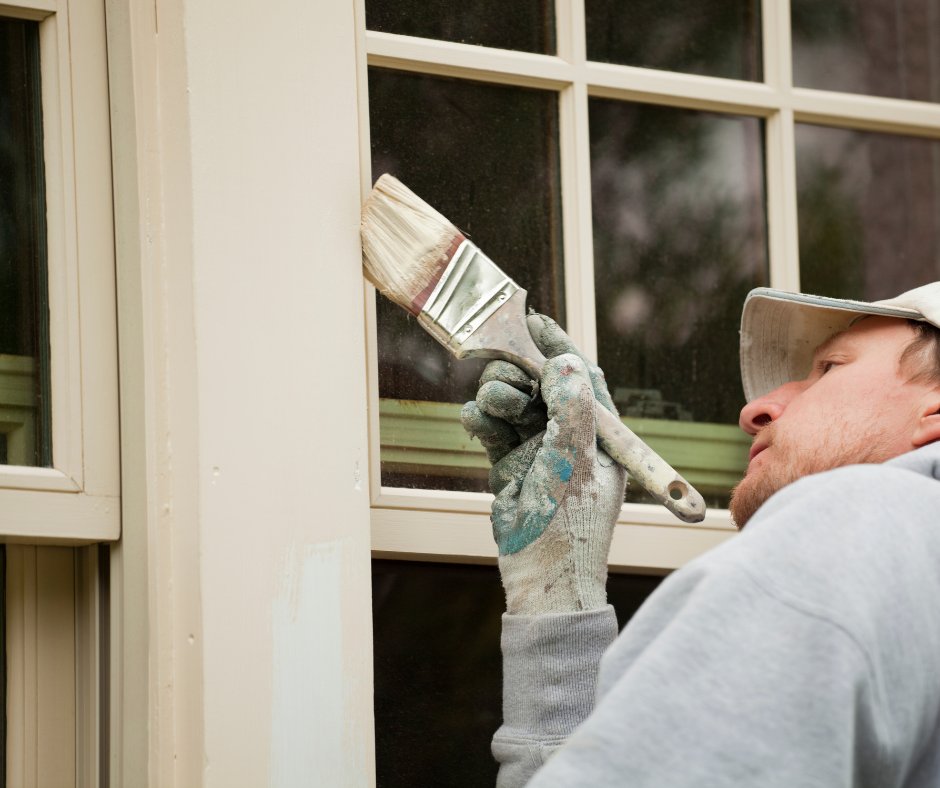
Embrace DIY Skills: Basic home maintenance knowledge can save you money and make your life as a homeowner smoother.
Communication Is Key: Maintain open and transparent communication with your tenants or roommates to ensure a harmonious living environment.
Starting Your House Hacking Story:
Ready to turn your homeownership into a strategic investment? Condo Connect can help you get started. Whether you’re eyeing a modern condo, stylish townhouse, or charming bungalow, browse listings, set up listing alerts, or talk to our condo specialists about properties that suit your house hacking goals.
Unveil the Potential of House Hacking:
If the idea of house hacking resonates with you, get in touch with us today. Let’s collaborate to transform your property into a profitable investment and shape your homeownership journey in a rewarding way.
Frequently asked questions
Can I rent out a room in my condo?
Often yes, but check your condo’s declaration and rules, which may limit occupancy, leasing terms or short-term rentals. Tell your insurer, and make sure your mortgage terms allow it. Long-term roommates are usually easier to accommodate than short-term guests in condo buildings.
Is Airbnb allowed in Toronto?
Only in limited cases. Toronto allows short-term rentals only in your principal residence, and you must register with the city. Condo corporations can also restrict or ban short-term rentals, so check the declaration and rules before listing a condo unit on any platform.
Does the Residential Tenancies Act apply if I rent a room in my home?
Not always. The Act generally doesn’t apply when a tenant shares a kitchen or bathroom with the owner or the owner’s immediate family who lives there. If your tenant has their own self-contained unit, such as a basement apartment, the Act usually applies in full.
Can I add a basement apartment to house hack?
In most of Ontario, yes. The province allows up to three units on most serviced residential lots, and Toronto allows up to four. You’ll need a building permit and must meet building and fire code requirements, which protects both you and your tenants.