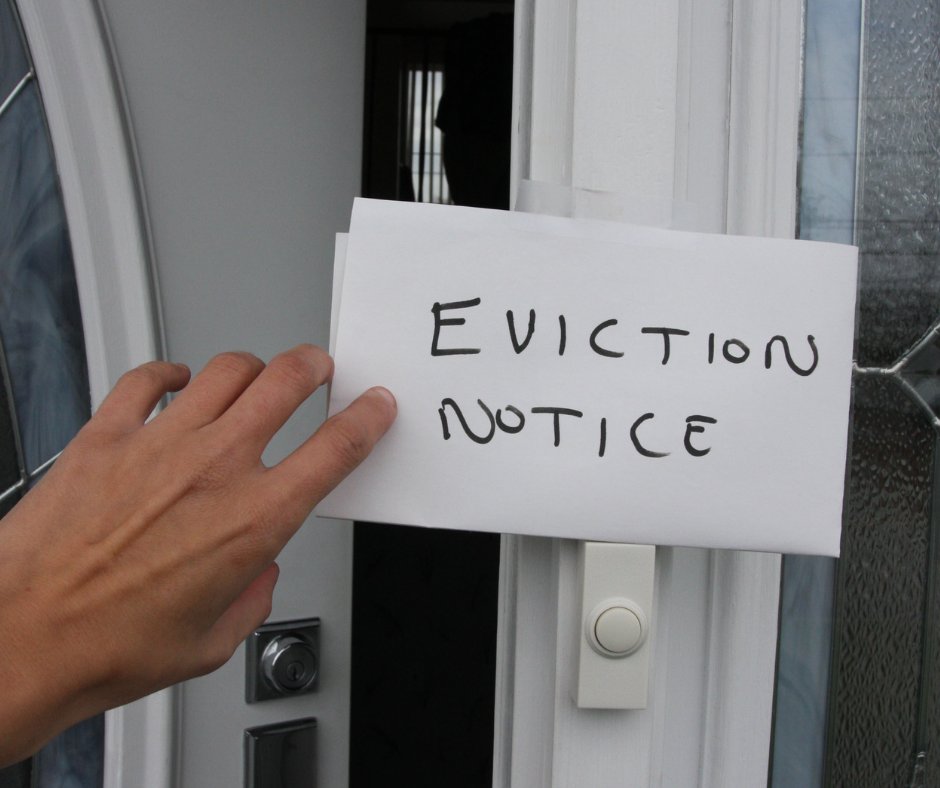
Navigating Legal Condo Tenant Evictions in Ontario: A Comprehensive Guide for Condo Owners
TL;DR
- Ontario evictions are governed by the Residential Tenancies Act, and landlords must follow its process exactly.
- Landlords must serve the proper written notice, such as an N4 for unpaid rent, before applying to the Board.
- The Landlord and Tenant Board holds hearings, and wait times have been long recently.
- Only the sheriff can enforce an eviction order; landlords must never lock tenants out themselves.
Facing a legal condo tenant eviction in Ontario can be a challenging and stressful situation. Understanding the process and steps involved is crucial to handling it effectively. In this guide, we’ll provide valuable information and resources to help you navigate this complex issue.
Legal Framework in Ontario: Firstly, it’s essential to be aware of the legal framework governing condo tenant evictions in Ontario. The Residential Tenancies Act sets out the rules and procedures that both landlords and tenants must follow. Familiarize yourself with these regulations to ensure you’re well-informed about your rights and responsibilities.
Reasons for Eviction: Condo evictions typically occur due to non-payment of rent, violations of the lease agreement, or other breaches of the Residential Tenancies Act. It’s crucial to document any issues and communicate with the tenant in writing before considering eviction. This documentation will be valuable if legal proceedings become necessary.
Notice Periods: In Ontario, landlords must give tenants written notice on the proper Landlord and Tenant Board form before applying for eviction. The notice period varies depending on the reason for eviction. For non-payment of rent, an N4 notice gives a tenant with a monthly tenancy 14 days to pay; for many other breaches, such as damage or substantial interference, an N5 notice gives 20 days, and the tenant can usually void a first N5 by correcting the problem within seven days. Other grounds, such as the landlord needing the unit for their own use, require longer notice and compensation. This provides tenants with an opportunity to rectify the situation before legal action is taken.
The Landlord and Tenant Board: If the issues persist after the notice period, landlords can file an application with the Landlord and Tenant Board. This provincial tribunal, part of Tribunals Ontario, resolves disputes between landlords and tenants. The Board will schedule a hearing where both parties can present their case. Wait times for hearings have been long in recent years, so being well-prepared with documentation is crucial during this stage.
Enforcement of Eviction Orders: If the Landlord and Tenant Board grants an eviction order, it is the sheriff’s office (the Court Enforcement Office) that enforces it. The sheriff will coordinate the physical eviction, ensuring that the property is returned to the landlord’s possession. Landlords should never change the locks or remove a tenant’s belongings themselves.
Resources for Assistance: Facing a legal condo tenant eviction can be overwhelming, but you don’t have to navigate it alone. Seek legal advice or contact organizations that provide assistance to landlords dealing with tenant issues. Understanding your options and having the right support can make a significant difference in the outcome.
In conclusion, knowing the process and steps involved in a legal condo tenant eviction in Ontario is crucial for effective resolution. Stay informed, document issues, follow the legal framework, and seek assistance when needed to protect your rights as a condo owner.
If you are looking for condos for sale in Ontario or need professional guidance on condo ownership, explore our website for a wide range of condos and expert advice to make the right investment decision.
Frequently asked questions
Can I evict a tenant from my Ontario condo without going to the Landlord and Tenant Board?
Generally, no. Unless the tenant agrees to leave, usually by signing an N11 agreement to terminate, a landlord needs an eviction order from the Landlord and Tenant Board. Changing locks or removing belongings without an order is illegal and can lead to fines.
How long does an eviction take in Ontario?
It varies, but the process often takes several months. Time is needed for the notice period, filing, waiting for a hearing, receiving the order, and sheriff enforcement. Board wait times have been long in recent years, so landlords should act promptly and keep thorough records.
Can a condo corporation evict a tenant?
A condo corporation cannot directly evict an owner’s tenant through the Landlord and Tenant Board the way a landlord can, but tenants must follow the declaration, by-laws and rules. The corporation can pursue enforcement against the owner, and repeated breaches may give the landlord grounds to act.
Can I evict a tenant to move into my condo?
Yes, if you, a close family member, or a caregiver genuinely intend to live there for at least one year. You must give an N12 notice with at least 60 days’ notice ending at the end of a rental period, pay one month’s rent compensation, and the Board may require proof of good faith.