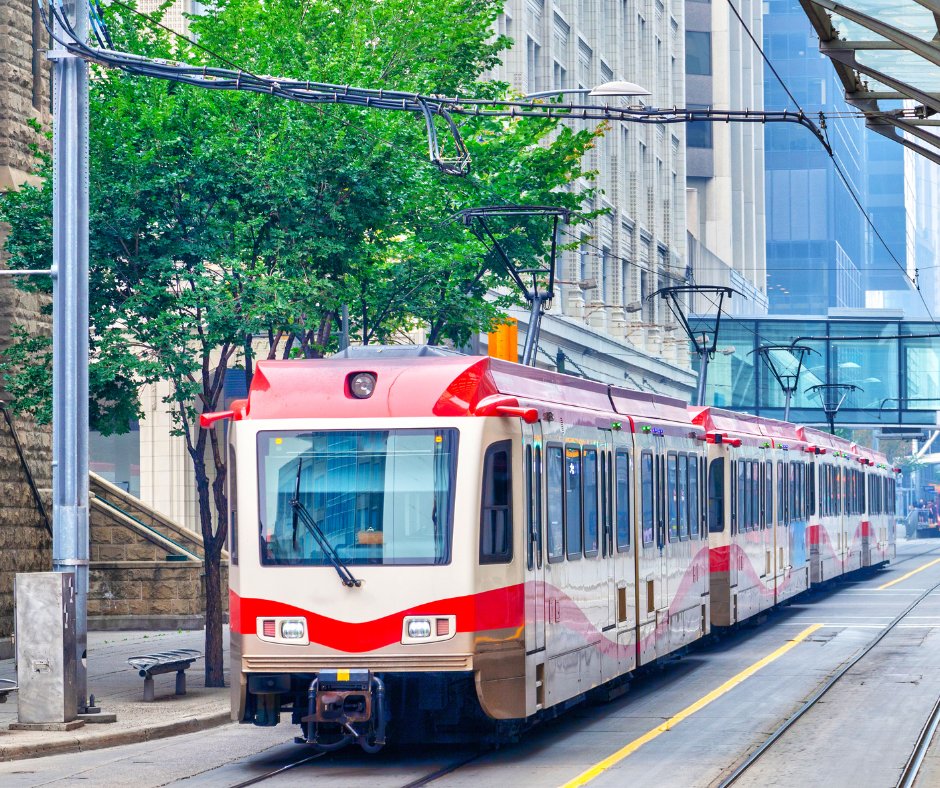
Enhancing Condo Appeal: The Impact of Public Transit on Ontario Condo Values
TL;DR
- Easy access to public transit is a major selling point for Ontario condo buyers and renters.
- Transit connects residents to jobs, entertainment and services without the stress of driving or parking.
- Condos near efficient transit often command higher prices and attract steady demand.
- Transit access supports long-term value, but condo prices still rise and fall with the overall market.
Living in the bustling province of Ontario comes with its perks, and one of the significant factors influencing the value of condos for sale is the accessibility and convenience of public transportation. Let’s delve into how having well-connected transit options can elevate the desirability and price of condos in this region.
Firstly, the convenience of public transit significantly contributes to the appeal of condos for potential buyers. Imagine a lifestyle where you can effortlessly hop on a bus or train just steps away from your condo, whisking you to your destination without the stress of traffic or parking. This level of accessibility not only saves time but also enhances the overall living experience. For condo seekers, the proximity to public transportation is like having the city at your doorstep – a major selling point that adds considerable value to the property.
Ontario, known for its diverse and vibrant cities, has invested in robust public transit systems. This commitment translates into a tangible benefit for condo owners, as excellent connectivity ensures they are well-connected to employment hubs, entertainment districts, and essential services. It’s not just a matter of reaching your destination; it’s about having the world within reach. This accessibility factor becomes a crucial element that potential buyers consider when evaluating condos for sale in Ontario.
Moreover, the impact on property values cannot be overlooked. Proximity to efficient public transit often correlates with higher condo prices. Condos with convenient access to subway, LRT and GO Transit stations tend to attract steady interest from both buyers and renters, which can support property values over time. In Ontario, where cities are continuously evolving and new transit lines are being built, a condo with excellent transit links can be a sound long-term choice, though values still move with the wider market.
For condo buyers, it’s not just about the physical space they’re purchasing; it’s about investing in a lifestyle. The allure of a condo that seamlessly integrates with the convenience of public transit is undeniable. The ability to enjoy a stress-free commute and explore the city effortlessly adds immeasurable value to the overall condo experience.
In conclusion, when considering condos for sale in Ontario, it’s crucial to recognize the pivotal role that public transit plays in shaping the desirability and price of these properties. The seamless integration of condos with efficient transportation options transforms them into sought-after urban havens. As Ontario continues to thrive, investing in a condo with excellent transit connectivity is not just a choice for today but a strategic move for a more valuable and convenient tomorrow.
Ready to explore condos that offer the perfect blend of luxury and accessibility? Browse our listings to find your dream condo in Ontario today!
Frequently asked questions
Do condos near subway stations sell for more?
Often, yes. Buyers and renters value short walks to rapid transit, so units near subway, LRT or GO stations frequently command a premium over similar units farther away. The size of that premium depends on the neighbourhood, the building and overall market conditions.
Should I buy near a planned transit line?
Buying near a future station can offer upside once service opens, but transit projects can face delays and construction disruption. Research the project’s status and timeline, and make sure the condo makes sense for you even if the line takes longer than expected.
Is transit access important for rental condos?
Yes. Many tenants, especially students and young professionals, prioritize short commutes and may not own a car. Condos close to transit are typically easier to rent, which can reduce vacancy risk for investor owners.
How can I check a condo’s transit access?
Map the walking distance to the nearest stations and stops, check service frequency on the transit agency’s website, and try the commute at rush hour. Walkability and transit scores on listing sites can also give a quick comparison between buildings.