Understanding the Basics
TL;DR
- In a condo, you own your unit outright and share ownership of the common elements with other owners.
- In Ontario, most co-ops are non-profit housing co-operatives where members pay a monthly housing charge rather than buying a unit.
- Ownership co-ops, found mainly in Toronto, involve buying shares and usually require board approval and larger down payments.
- Condos offer more flexibility, wider financing options and a larger resale market.
If you’re considering a new home in Ontario, you’ve probably come across the terms “co-op” and “condo” during your search. While both options offer unique benefits, it’s essential to understand the differences between them before making your decision. In this article, we’ll break down the distinctions between co-ops and condos and provide valuable information on condos for sale in Ontario.
Co-op vs. Condo: What’s the Difference?
Co-op (Cooperative Housing):
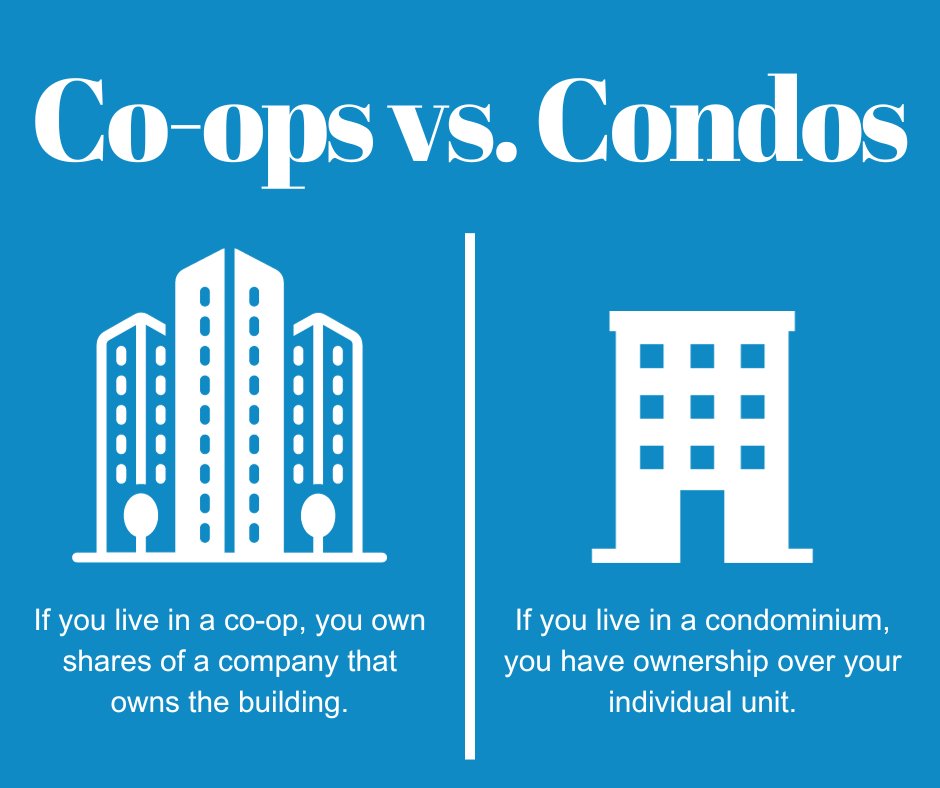
Cooperative housing, often referred to as co-ops, is a bit different from condos. In Ontario, most co-ops are non-profit housing co-operatives, where members don’t buy their unit at all; they pay a monthly housing charge, much like rent, and help run the co-op democratically. There are also a smaller number of ownership (equity) co-ops, mainly in Toronto, where you become a shareholder in a corporation that owns the entire building. This means you don’t technically own your unit; you own shares in the co-op and have the right to occupy a specific unit. Monthly fees in ownership co-ops typically cover operating expenses, property taxes, and your portion of any building mortgage.
Condo (Condominium):
Condos, on the other hand, offer individual ownership of a specific unit within a larger building or community. When you buy a condo, you own the unit and share ownership of common areas with other condo owners. Monthly condo fees usually cover maintenance of common areas, amenities, and building insurance.
Choosing the Right Option:
The choice between a co-op and a condo depends on your preferences and financial situation. Ownership co-ops often have stricter rules and board approval processes for new residents, and fewer lenders finance them, so they may require a larger down payment. Condos offer more flexibility and a much larger resale market, which can make them easier to buy, sell, and finance.
Condos for Sale in Ontario:
Now that you understand the differences, let’s focus on condos. Ontario offers a wide range of condo options to suit various lifestyles. Whether you’re looking for a trendy downtown loft, a family-friendly suburban unit, or something in between, you’ll find condos for sale in Ontario that meet your needs.
Why Choose a Condo:
- Ownership: Condos provide individual ownership, giving you more control over your living space.
- Amenities: Many condos offer attractive amenities such as gyms, pools, and common areas.
- Maintenance: The condo corporation typically takes care of exterior maintenance, so you don’t need to worry about it.
- Location: Condos are often situated in prime locations, making it easy to access shopping, dining, and entertainment options.
Understanding the difference between co-ops and condos is essential when searching for a new home in Ontario. While co-ops have their merits, condos offer individual ownership and flexibility that many buyers prefer. With numerous condos for sale in Ontario, you’re sure to find one that suits your lifestyle and budget.
Ready to find your dream condo in Ontario? Explore our listings of condos for sale near you and make the right choice for your next home. Don’t miss out on this opportunity – start your condo search today!
Frequently asked questions
Can you get a mortgage for a co-op in Toronto?
It’s harder than for a condo. Because you’re buying shares rather than real property, fewer lenders finance ownership co-ops, and those that do may require a larger down payment. Speak with lenders early if you’re considering a co-op so you know your options before making an offer.
Are co-op units cheaper than condos?
Ownership co-ops can sell for less than comparable condos, partly because financing is harder and the pool of buyers is smaller. Monthly fees may be higher, though, because they can include property taxes and the building’s mortgage. Compare total monthly costs, not just the purchase price.
What is a non-profit housing co-op?
A non-profit housing co-op is a member-run community where residents don’t buy their homes. Instead, they pay a monthly housing charge and share responsibility for running the co-op through an elected board. Some units may have charges geared to income, and waiting lists are often long.
Do condo owners have to follow rules too?
Yes. While condo owners own their units, they must follow the condo corporation’s declaration, by-laws and rules, which can cover pets, renovations, noise and rentals. Condo boards don’t typically approve buyers, though, which makes condos easier to buy and sell than ownership co-ops.